Are you trying to decide between a condo and a house in Yarmouth? It is a smart question, especially in a town where detached homes still shape much of the market, but buyers are also looking for more housing variety. If you want to weigh lifestyle, upkeep, location, and day-to-day flexibility, this guide will help you sort through the real pros and tradeoffs in Yarmouth. Let’s dive in.
Yarmouth Housing at a Glance
Yarmouth is a relatively small, mostly owner-occupied community in Cumberland County. Census data shows an owner-occupied housing rate of 80.4%, with 3,639 housing units and a median value of $639,700 for owner-occupied homes. That helps explain why many buyers still picture Yarmouth as a detached-home market first.
At the same time, local planning points to growing interest in a wider mix of housing types. Yarmouth’s 2024 comprehensive plan notes community support for duplexes and smaller multifamily buildings, and it says roughly one-third of new housing should be multifamily. In other words, while houses remain the dominant form, condos and other attached options are becoming a more important part of the conversation.
Why Location Matters in Yarmouth
Your condo-versus-house decision is not only about the home itself. In Yarmouth, it is also about how you want to live day to day.
The town offers a strong mix of village convenience and outdoor access. Yarmouth’s comprehensive plan reports 677 acres of open space, 27.85 miles of trails, and public places like Royal River Park, Pratt’s Brook Park, and Sandy Point Beach. Public waterfront access points also make it easier to enjoy the coast and riverfront without owning waterfront property.
Walkability varies by area. Sidewalks are concentrated in the Village Center and downtown, while more rural parts of town have more limited coverage. So if being able to walk to nearby amenities matters to you, that may point you toward a condo or a more compact home in the village area.
When a Condo Makes Sense in Yarmouth
For many buyers, a condo works best when convenience is the top priority. If you want a simpler, more lock-and-leave lifestyle, a condo can be a strong fit.
Lower Exterior Upkeep
One of the biggest draws of condo living is shared maintenance. Under Maine condominium law, associations can adopt rules, set budgets, collect assessments, and regulate common elements. In practical terms, condo associations often handle shared items such as roofs, driveways, and other common structures.
That setup can appeal to you if you do not want to manage every exterior task yourself. It can also be helpful if you travel often, split time between homes, or simply want less weekend maintenance.
Village Access and Daily Convenience
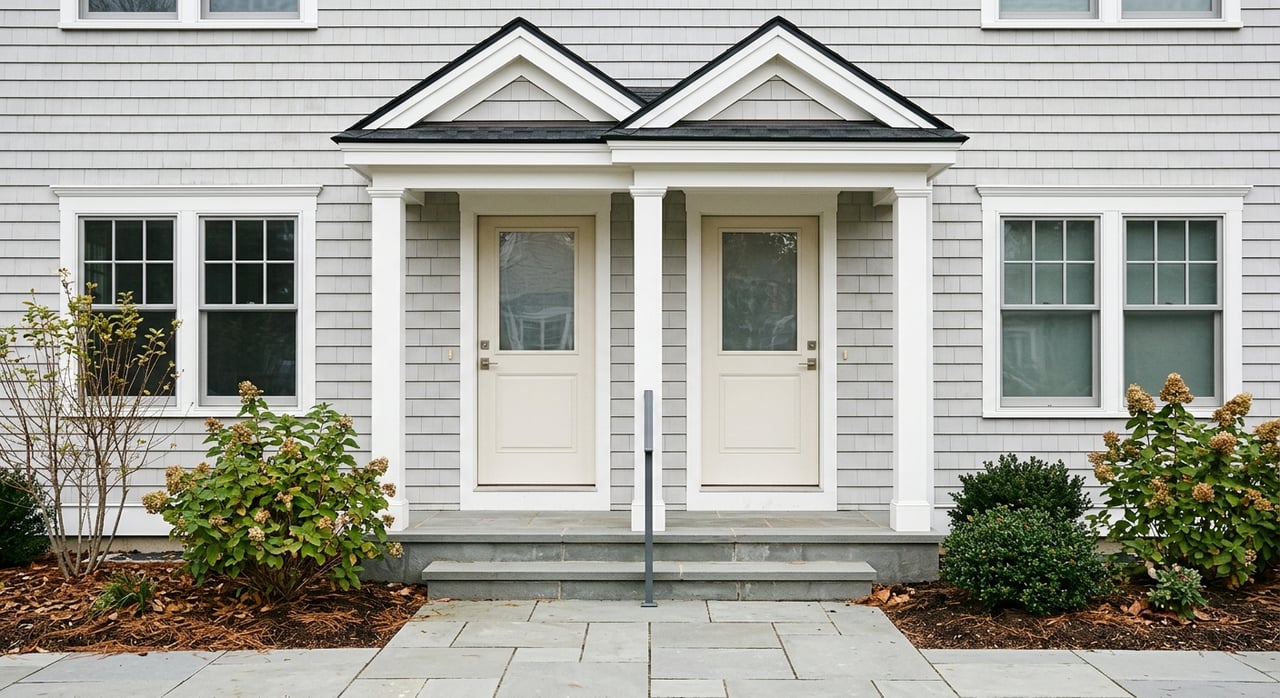
Condos are often a natural match for Yarmouth’s more compact core. The town describes the Village Center as a medium-density area with a mix of residential, retail, office, and commercial uses. That pattern supports a more connected, in-town lifestyle.
Parking rules also reflect that difference. Traditional residential zoning generally requires two parking spaces per dwelling unit, while character-based code areas for multifamily and mixed-use allow a range of 1.35 to 2 spaces per unit. That flexibility can support a more compact style of living in village and Route 1 settings.
A Good Fit for Some Life Stages
A condo may appeal to first-time buyers who want a simpler maintenance load and a central location. It can also make sense for downsizers who want to stay in Yarmouth without taking care of a larger property. For relocators, a condo can offer an easier transition if you want convenience and shared upkeep from the start.
Condo Tradeoffs to Consider
Condo living is not just about convenience. It also means sharing decisions and costs.
Less Control Over the Property
With a condo, you usually have less control over exterior changes and shared spaces. Maine condominium law allows associations to regulate common elements and adopt rules that unit owners must follow. That can affect everything from exterior appearance to how common areas are used.
If you want broad freedom to personalize your property, this may feel limiting. The tradeoff for lower upkeep is often less autonomy.
Ongoing Dues and Possible Assessments
Condo ownership usually comes with regular dues, and sometimes special assessments. Those costs are part of how shared maintenance and common expenses are funded.
This does not automatically make condo ownership more or less affordable than owning a house. It does mean you should look beyond the purchase price and understand the full monthly and long-term cost structure.
When a House Makes Sense in Yarmouth
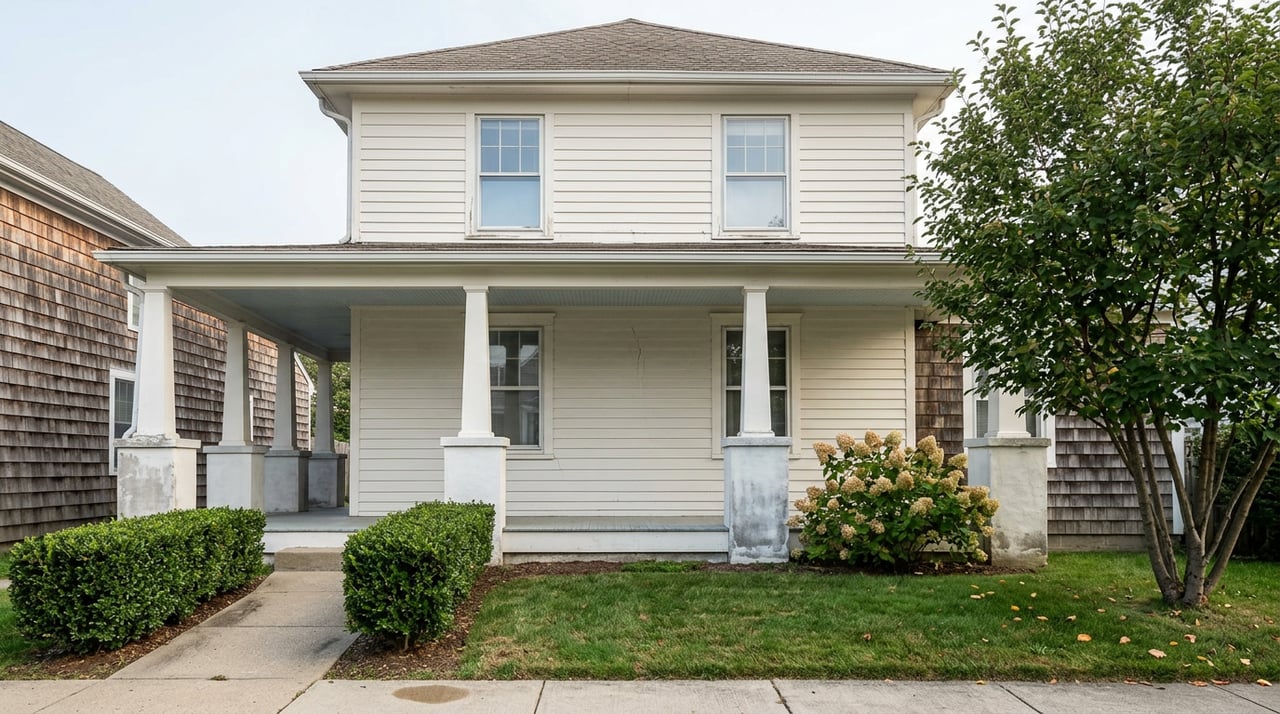
A single-family home usually fits buyers who want more privacy, more outdoor space, and more control. Since Yarmouth’s housing stock is still heavily single-unit, houses remain the most common choice in town.
More Space and Privacy
Detached homes often give you a greater sense of separation from neighbors. They also tend to offer more room for a yard, garden, patio, or other outdoor use. If private outdoor space is high on your list, a house may be the better match.
That does not always mean a very large home or lot. Yarmouth’s housing plan notes a need for different kinds of single-family homes, including cottages and smaller homes on smaller lots. So the house option can include both traditional larger homes and more compact alternatives.
More Freedom to Personalize
A house usually gives you more flexibility to shape the property around your needs. That might mean landscaping, adding garden space, planning future improvements, or simply enjoying more direct control over how the property looks and functions.
For buyers thinking long term, that independence can be a major benefit. If you want the home to evolve with you over time, a detached property often provides more room for that.
House Tradeoffs to Consider
The freedom of a house comes with added responsibility. That is the main tradeoff many buyers feel most clearly after move-in.
More Maintenance Is on You
Without a condo association handling shared maintenance, most upkeep falls directly on the homeowner. Exterior care, repairs, seasonal work, and long-term maintenance planning are largely your responsibility.
If you enjoy managing a property, that may feel worthwhile. If you want a lower-maintenance lifestyle, it may feel like more than you want to take on.
Parking and Lot Practicalities
Lot layout matters with a house purchase in Yarmouth. The town’s zoning requires two parking spaces per residential dwelling unit, so off-street parking remains an important practical detail.
This may not be a deal-breaker, but it is one more reason to think beyond square footage alone. How the lot functions can shape your day-to-day experience just as much as the house itself.
How to Choose in Yarmouth
If you are deciding between a condo and a house in Yarmouth, focus on how you want your daily life to feel. The right answer is usually less about property type in the abstract and more about your comfort with maintenance, rules, outdoor space, and location.
Ask Yourself These Questions
- Do you want shared maintenance, or do you prefer full control?
- Is walkability in the Village Center or near Route 1 a top priority?
- Do you want a private yard, garden space, or more separation from neighbors?
- Are you comfortable with condo rules, dues, and shared decision-making?
- Do you want convenience and proximity, or space and independence?
A Simple Comparison
| Decision Factor | Condo | House |
|---|---|---|
| Exterior upkeep | Lower, often shared | Higher, usually owner-managed |
| Property control | More limited by association rules | Greater autonomy |
| Walkable setting | Often a stronger fit in village areas | Varies by location |
| Private outdoor space | Usually less | Usually more |
| Ongoing shared costs | Dues and possible assessments | Fewer shared fees, more direct maintenance costs |
The Bottom Line for Yarmouth Buyers
In Yarmouth, condos and houses each serve a different lifestyle. A condo can make sense if you want lower exterior upkeep, a more compact setting, and easier day-to-day convenience. A house often makes more sense if you want privacy, outdoor space, and greater control over the property.
Because Yarmouth blends village living, open space, and a largely detached-home housing pattern, the best choice depends on what you value most. If you want help narrowing the options based on your goals, lifestyle, and budget, Mary Libby can help you compare the right opportunities in Yarmouth.
FAQs
What is the main difference between condo and house living in Yarmouth?
- In Yarmouth, condo living usually offers shared maintenance and a more compact, often more walkable setting, while house living usually offers more privacy, outdoor space, and control.
Are condos common in Yarmouth, Maine?
- Yarmouth is still heavily shaped by single-unit housing, but the town’s planning documents show growing interest in more multifamily housing options, including homes that support a more varied housing mix.
Does Yarmouth have walkable areas for condo buyers?
- Yes. Sidewalks are concentrated in the Village Center and downtown, making those areas the strongest fit for buyers who value a more walkable daily routine.
What should house buyers in Yarmouth think about besides the home itself?
- House buyers should also consider upkeep responsibilities, off-street parking needs, lot layout, and how much private outdoor space they want.
Are condo owners in Yarmouth subject to association rules?
- Yes. Under Maine condominium law, associations may adopt rules, collect assessments, and regulate common elements, and unit owners are required to comply with those rules and bylaws.