Choosing between Portland and South Portland can feel like picking between two great coastal lifestyles separated by a bridge. You want good value, easy access to the water, and a neighborhood that supports how you live day to day. The good news is you really cannot go wrong. In this guide, you will see clear differences in housing, taxes, transit, and waterfront access so you can choose with confidence. Let’s dive in.
Big-picture snapshot
If you are torn between the two, start with a few quick facts. According to U.S. Census QuickFacts, Portland has about 69,568 residents and South Portland has about 26,994. Portland’s median household income is about $79,540, while South Portland’s is about $86,838. Owner-occupancy is lower in Portland at about 46.9 percent compared with South Portland’s 58.1 percent, and median owner-occupied home values are about $489,600 in Portland and $441,200 in South Portland. Mean commute times are short in both cities, averaging about 19.4 minutes in Portland and 17.1 minutes in South Portland. You can explore the underlying data for Portland QuickFacts and South Portland QuickFacts.
What does that mean for you? In simple terms, Portland skews a bit more urban with more renters and higher-density housing near downtown. South Portland offers a higher share of single-family homes, more yards, and a slightly higher owner-occupancy rate.
Lifestyle and vibe
Portland highlights
Portland is compact, walkable, and known for its food, arts, and harbor energy. Neighborhoods like the Old Port, the Arts District, West End, Bayside, and Munjoy Hill’s East End put you close to restaurants, galleries, and waterfront parks. Bayside and East Bayside have seen ongoing redevelopment with new apartments and breweries. For a quick primer on neighborhood names and locations, see Neighborhoods in Portland, Maine.
If you value walk-to-everything living, historic architecture, and being steps from the working waterfront, Portland’s peninsula and adjacent neighborhoods are a strong fit. You will likely trade yard size for access and character.
South Portland highlights
South Portland sits just across the Fore River, minutes from downtown Portland by car or bus. Knightville and Mill Creek offer local shops and neighborhood restaurants, while Willard Beach, Spring Point Shoreway, and Bug Light Park provide everyday shoreline access. To get a feel for the parks and lighthouse area, explore Bug Light Park and Spring Point Ledge Light.
If you prefer quieter streets, single-family homes, and easy beach access without living on the Portland peninsula, South Portland delivers. Many buyers find they can get more interior and outdoor space while staying close to everything.
Housing and prices
What you will see on tours
Portland
- More condos, converted warehouses, and multifamily buildings, especially near downtown and Bayside.
- Historic single-family homes in the West End and Munjoy Hill with period details.
- Smaller lots and less private yard space in central locations, with walkability as a key benefit.
South Portland
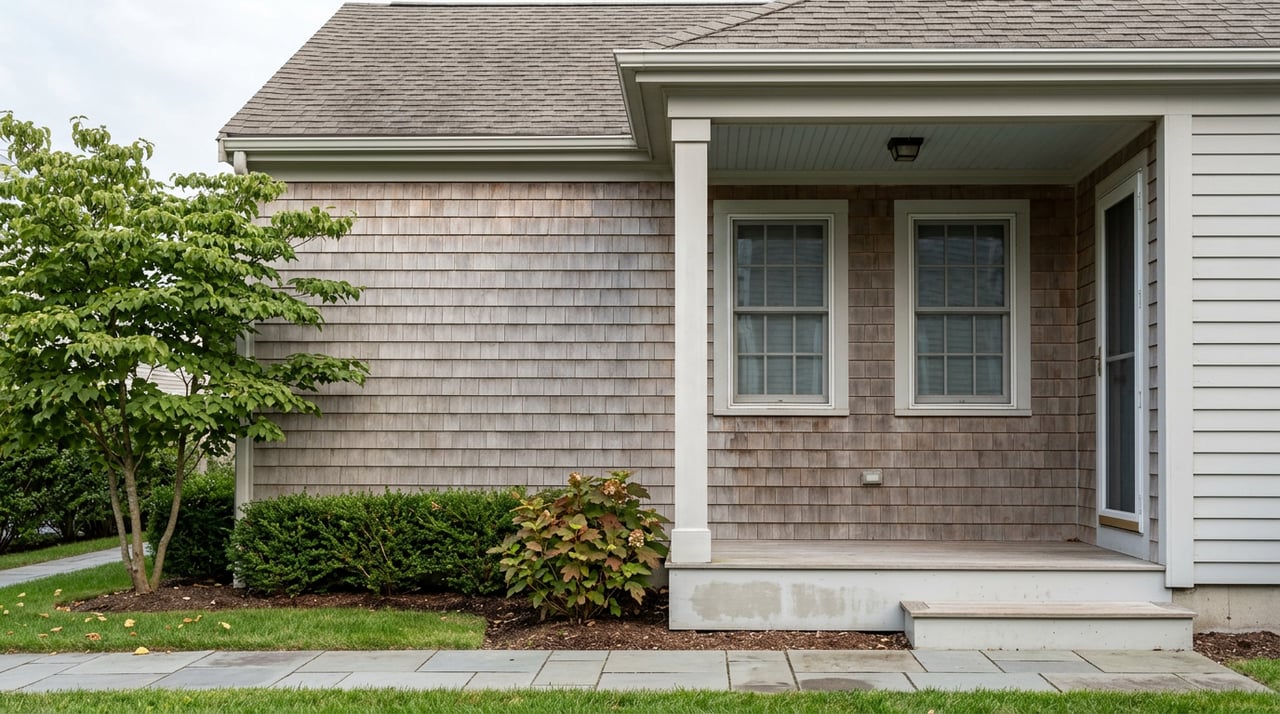
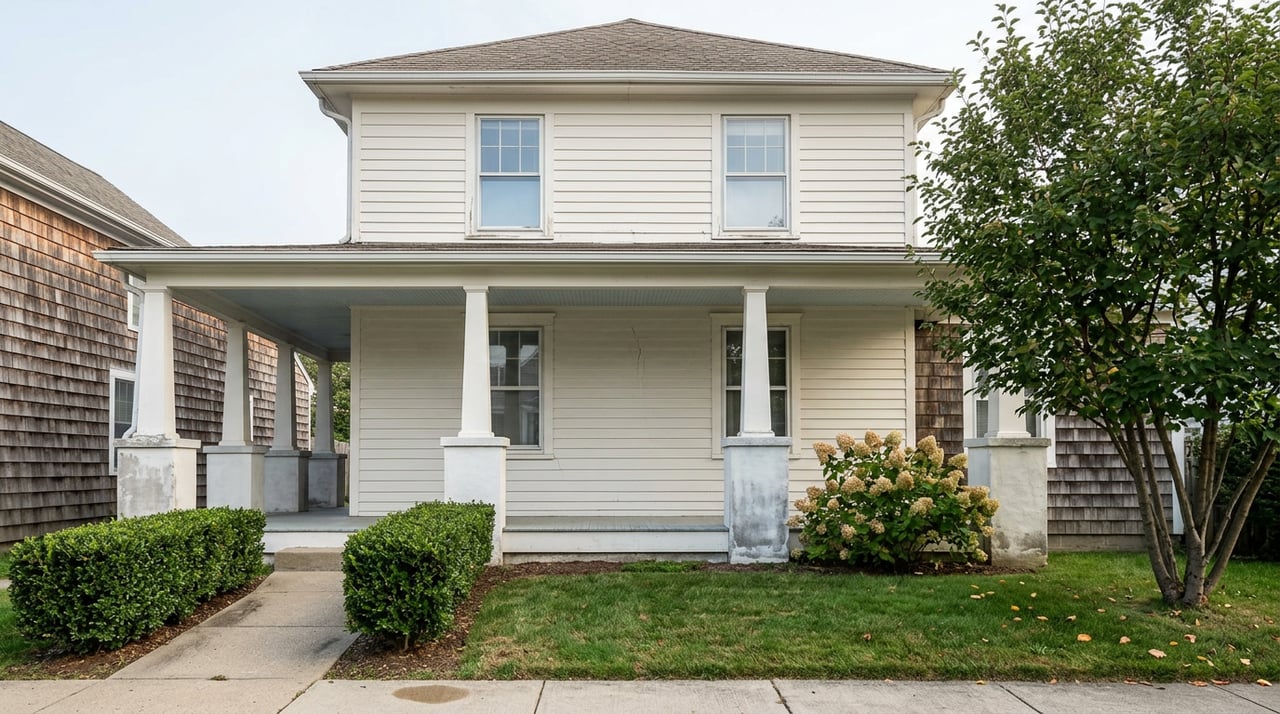
- More single-family homes, including mid-century capes and colonials, plus cottages near Willard Beach.
- Pockets of multifamily near commercial nodes like Knightville.
- Larger yards and more off-street parking are common compared with Portland’s core.
Price context to compare
Recent market snapshots in late 2025 and early 2026 commonly show Portland city medians ranging from the mid 500s to about the mid 600s, depending on the data source and month. South Portland’s medians often trend a bit lower, frequently in the high 400s to mid 500s in that same period. Different providers measure different things, so numbers for a given month can diverge. If you want the most current local MLS figures for a specific neighborhood and property type, connect with a local broker for a real-time view.
For broader context, statewide research notes that Maine’s housing costs rose substantially from 2021 through 2025, with Portland remaining the state’s priciest core market due to strong demand and constrained supply. You can read more in the 2026 MaineHousing outlook report.
Taxes and cost of ownership
Municipal mill rates can influence your annual property tax bill. For FY2026, Portland reported a mill rate of 11.98 per $1,000 of assessed value, and South Portland reported 13.65 per $1,000. You calculate a rough annual bill by taking assessed value divided by 1,000 and multiplying by the mill rate. For example, a $500,000 assessed value in Portland would be about 500 x 11.98, or roughly $5,990 per year; the same assessed value in South Portland would be about 500 x 13.65, or roughly $6,825 per year.
Two important notes:
- Assessments matter. Portland completed a revaluation that significantly changed many assessed values, which can shift tax bills even when mill rates move. See local reporting on the Portland revaluation and mill-rate context.
- Rates can change yearly. South Portland publishes updates and explanations. See the city’s FY26 announcement for reference: South Portland FY26 mill rate.
Getting around
Both cities are easy to navigate. Mean commute times sit under 20 minutes on average for each, according to Census QuickFacts. Greater Portland METRO runs fixed-route buses across the region, and South Portland’s city routes were integrated into the METRO system beginning in late 2024. For regional and commuter options, explore METRO and the BREEZ express routes.
The cities connect over several bridges, including the Casco Bay Bridge and Veterans Memorial Bridge, plus I‑295 access. If you will commute at peak times, consider proximity to bridge entrances when you compare neighborhoods on both sides of the Fore River.
Coast and outdoors
Portland offers direct ferry access to the Casco Bay islands from the downtown waterfront. If you enjoy day trips or an island-commuter lifestyle, that is a major perk. Check schedules and routes through Casco Bay Lines. You will also find the Eastern Promenade and East End Beach along the East End.
South Portland offers sandy shoreline and harbor views on the mainland, including Willard Beach, the Spring Point Shoreway, and parks near two iconic lighthouses. For many buyers, daily access to the beach and walking paths is a standout reason to choose South Portland.
Schools and services
Portland and South Portland operate separate public school districts. Portland Public Schools includes multiple elementary and middle schools and three main high schools. For assignment details and options, start at the Portland Public Schools district site. South Portland has its own district with multiple elementary schools and South Portland High School. When comparing homes, consider distance to your assigned schools, parks, libraries, and after-school activities.
Use only neutral, factual information when evaluating schools, and review the districts’ official resources directly for the most current details.
Which fits you best?
Choose Portland if you want:
- Walk-to-dining and arts with a true downtown feel.
- Historic homes, condos, and lofts near the harbor.
- Quick access to ferries and waterfront parks.
- A more urban setting with a higher share of multifamily living.
Choose South Portland if you want:
- Single-family homes with more yard space.
- Quieter neighborhood streets near beaches and lighthouses.
- A short drive or bus ride to downtown Portland.
- Slightly lower price points on average than central Portland, depending on the block and month.
Your next step
You do not have to choose alone. If you want a clear, side-by-side view of your options, local market numbers for the week you are shopping, and guidance on neighborhoods that match your lifestyle, reach out. With deep roots in Southern Maine and a design-forward, concierge approach, Mary Libby Living Real Estate can help you compare homes on both sides of the river and move with confidence. Schedule a conversation with Mary Libby to get started.
FAQs
Is housing generally more affordable in South Portland than Portland?
- In many recent snapshots from late 2025 to early 2026, South Portland’s median sale metrics trended a bit lower than Portland’s, though month-to-month numbers and methods vary.
What is the difference in property taxes between the two cities?
- For FY2026, Portland’s mill rate was 11.98 per $1,000 of assessed value and South Portland’s was 13.65; your actual bill depends on your home’s assessed value and any exemptions.
How long are average commutes in Portland and South Portland?
- Census data shows mean travel times of about 19.4 minutes in Portland and 17.1 minutes in South Portland, both short by national standards.
How does public transit connect Portland and South Portland?
- Greater Portland METRO operates integrated bus service across both cities, including BREEZ express routes that link key destinations.
What are the main coastal access differences?
- Portland offers Casco Bay ferry service and waterfront parks on the peninsula, while South Portland provides mainland beaches and lighthouse-side walking paths at places like Bug Light Park.