Thinking about swapping Boston’s pace for a coastal lifestyle in Falmouth, Maine? You are not alone. Many professionals are trading longer commutes and tight spaces for bigger yards, trail access, and Casco Bay. In this guide, you will learn what the Boston-to-Falmouth commute really looks like, how the villages differ, what to expect in the housing search, and how to manage a cross-state purchase with minimal stress. Let’s dive in.
Boston-to-Falmouth commute reality
Daily commuting from Falmouth to Boston is rarely practical. Driving typically takes 2 to 3 hours each way depending on traffic and timing. The Amtrak Downeaster connects Portland to Boston’s North Station in a multi-hour window as well, which can make occasional in-person days feasible. Portland International Jetport offers short flights to Boston, but airport logistics make this a periodic solution, not a daily one.
Hybrid patterns are common. Many professionals keep a remote-first routine, then plan weekly or monthly Boston visits or a compressed in-office schedule. If a role requires daily in-person presence, Falmouth will be challenging.
Consider these time and cost factors:
- Driving: fuel, tolls, parking, and variable traffic.
- Train: station parking in Portland, fare class, and schedule flexibility.
- Flight: airport transit time, security, and ground transport in Boston.
Sample “occasional commute” week
- Monday: early drive or train to Boston, afternoon return.
- Midweek: remote work from Falmouth with local meetings in Portland.
- Thursday: morning train to Boston for meetings, return that evening.
- Friday: remote day to close out the week.
Local travel and Portland access
Most daily errands and work trips rely on a car. Falmouth residents often commute into Portland in about 10 to 30 minutes depending on the village and traffic. Regional buses, park-and-ride, and rideshare can supplement driving, but service is limited compared to a big city.
Falmouth villages and neighborhoods
Falmouth balances coastal identity with suburban ease. Your village choice shapes your daily rhythm, access to the water, and drive times into Portland.
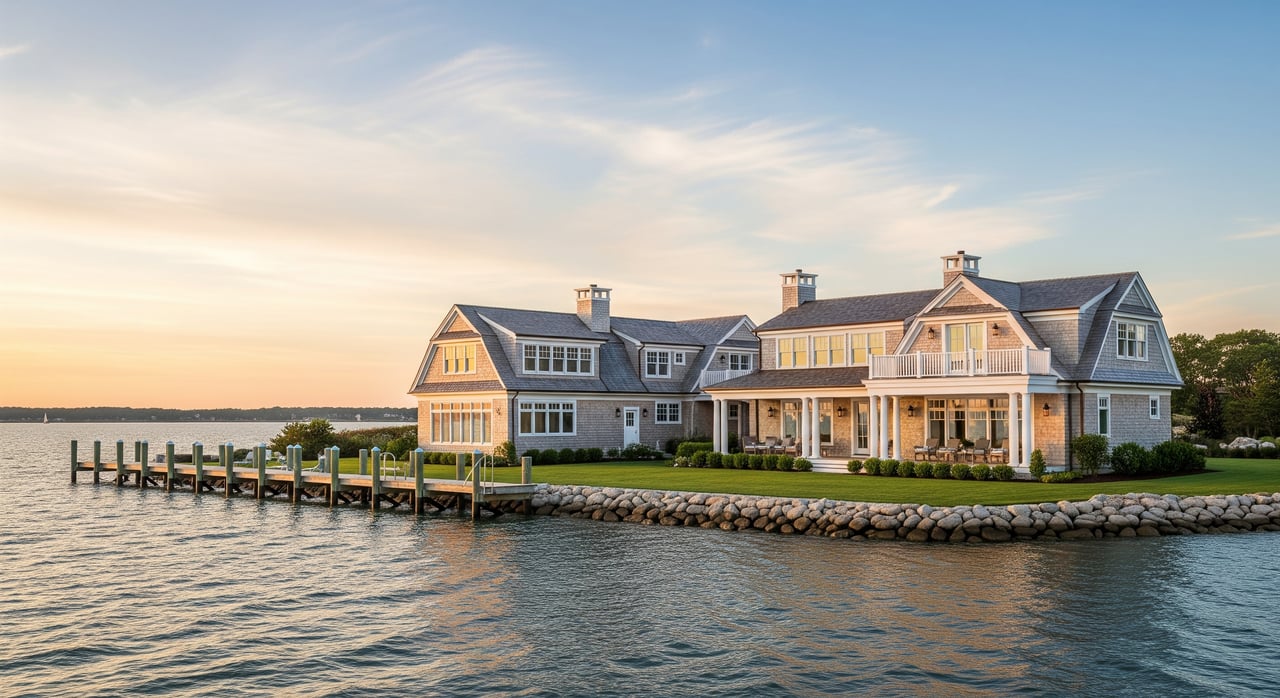
- Falmouth Foreside: A coastal village with marinas, small shops, and seafood dining. Homes include waterfront residences and coastal cottages in a higher-price market.
- Falmouth Town Center: A more suburban core with municipal services, schools, and community facilities. Convenient for everyday errands.
- West Falmouth and inland: Larger lots, a more wooded feel, and family-oriented neighborhoods with a quieter pace.
If you want quick marina access and a coastal vibe, Foreside is a natural fit. If you value proximity to schools and town services, look near Town Center. If space and privacy are your priorities, explore West Falmouth and surrounding inland areas.
Housing and market expectations
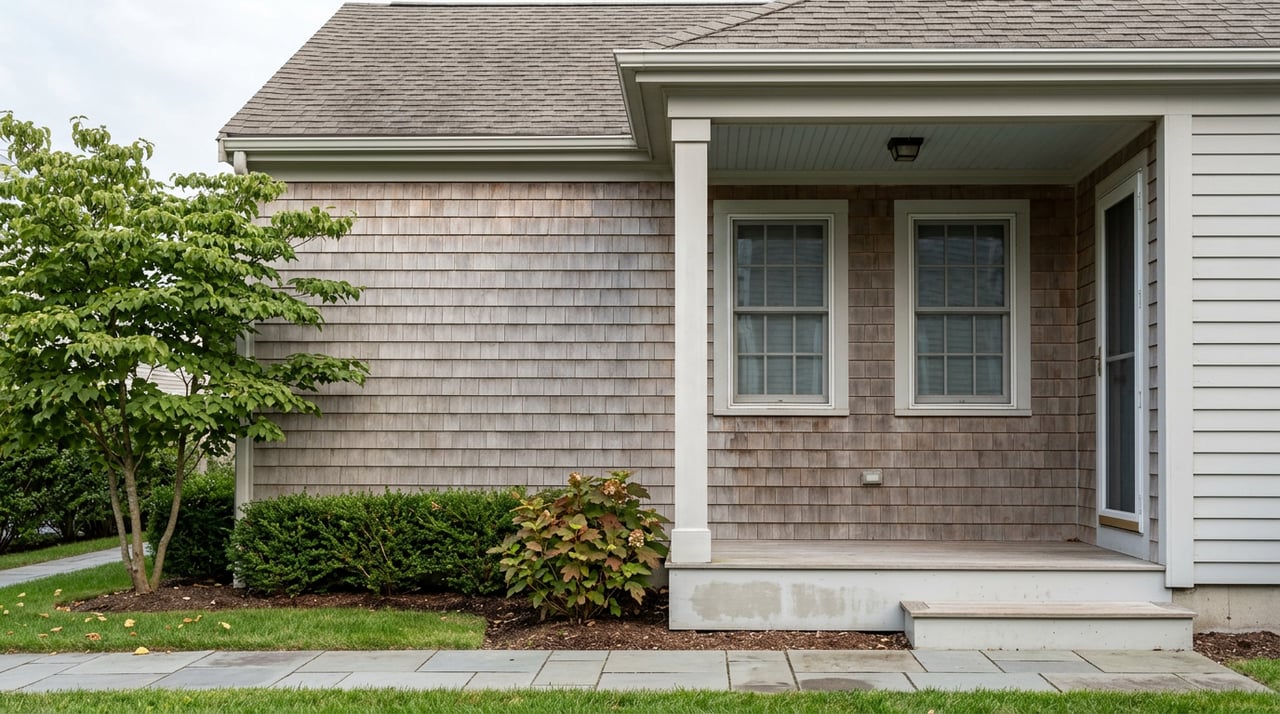
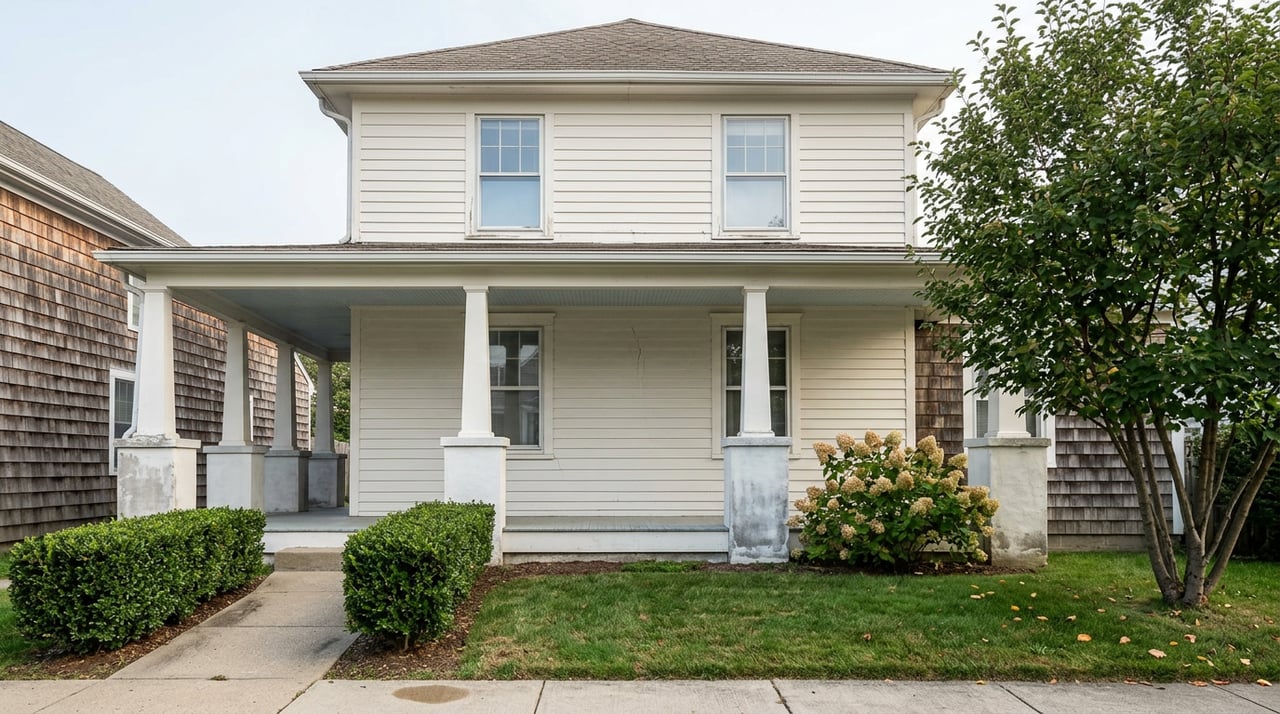
You will find more single-family homes and larger lots than in Boston, along with coastal properties, year-round waterfront homes, and some condos and newer subdivisions. Falmouth is one of the more sought-after towns in the Portland area, so it often trades at a premium relative to many Maine communities. Inventory can be tight, especially in desirable neighborhoods.
To compete well, get pre-approved early, use virtual tools to pre-screen homes, and be ready to tour quickly when a match appears. Your agent can help you weigh neighborhood fit, property condition, and value.
Coastal recreation and seasons
Falmouth’s access to Casco Bay makes boating, sailing, kayaking, and fishing part of everyday life for many residents. Trails, conservation land, and parks support hiking, birding, and winter recreation like cross-country skiing and snowshoeing. Summer brings boating and island trips, fall delivers foliage and harvest events, and winter rewards good planning around heating, snow removal, and indoor activities.
Property due diligence essentials
Coastal properties and Maine systems deserve close attention. Build these checks into your search and offer strategy:
- Waterfront specifics: Shoreland zoning, coastal setbacks, flood and erosion risks, and any permitting for shoreline work.
- Heating systems: Oil, propane, or alternative systems are common. Understand fuel type, age, service history, and seasonal costs.
- Water and sewer: Confirm if a property is on municipal services or a private well and septic. Verify septic age, condition, and inspection needs.
- Internet and cellular: Confirm actual broadband options and speeds at the address, especially if you work remotely.
Remote buying and concierge support
Long-distance purchases do not have to feel remote. Today you can screen homes through 3D tours, drone video, and high-quality video walkthroughs. Live video showings allow real-time Q&A and let you focus in-person visits on top contenders. Digital signing can streamline paperwork, and closing logistics can be managed with local attorney support.
With a concierge approach, you can expect coordination across your move: market briefings, neighborhood shortlists, curated itineraries for quick visits, and referrals to inspectors, surveyors, contractors, lenders, and movers. Pre-market sourcing, staging guidance, and new-construction advice are also common services in the area.
Cross-state moving timeline
A clear plan reduces stress and travel.
- 6–12 months: Research neighborhoods, secure lender pre-approval, gather school and medical records, and sketch travel dates.
- 3–6 months: Engage a local agent, schedule a focused 2 to 3 day visit, and line up inspector, attorney, and mover referrals.
- 1–3 months: Make an offer, plan moving logistics, set up utilities, and confirm school enrollment steps.
- 0–30 days: Transfer address and insurance, update driver’s license and registration after move-in, finalize closing logistics, and winterize if needed.
Taxes, schools, and logistics
Crossing state lines changes paperwork and planning, so get ahead of the details.
- State taxes and residency: Moving your primary residence to Maine changes your state tax residency. If you work for a Massachusetts employer or perform services in Massachusetts, multi-state rules can apply. Consider consulting a tax professional.
- Property taxes: Falmouth is an affluent town, and assessments can lead to significant bills. Review likely property taxes during your search.
- Schools: Falmouth has its own public school district and is widely regarded in the region for academic performance. Verify boundary maps, enrollment policies, and registration deadlines. Gather immunization records, transcripts, and any IEP documentation early.
- Licenses and registration: Update your driver’s license and vehicle registration according to Maine Secretary of State timelines. Update voter registration after establishing residency.
- Healthcare: Major medical care is available in nearby Portland. If you need specialist care, confirm provider networks and availability.
- Utilities and broadband: Confirm electric supplier, heating fuel arrangements, and internet providers at the property level.
Scouting trip itinerary
Make a 2 to 3 day visit count by combining neighborhood tours with property shortlists and key meetings.
- Day 1: Orientation drive through Falmouth Foreside, Town Center, and West Falmouth. Note commute times to Portland during peak hours.
- Day 2: Guided showings of pre-screened homes, plus time on the shoreline and trails to feel the lifestyle.
- Day 3: Inspections or second looks for favorites, and short meetings with a lender or local attorney if needed.
Is Falmouth right for you?
If you want coastal access, more space, and a relaxed pace within minutes of Portland’s restaurants and culture, Falmouth is a strong fit. It is best suited to remote workers, hybrid roles with periodic in-person Boston days, or anyone willing to plan occasional longer trips. With the right guidance, you can find a home that matches how you want to live and manage the move with confidence.
Ready to explore neighborhoods, refine your commute plan, and tour homes in person or by video? Connect with Mary Libby to schedule a free consultation.
FAQs
Can you commute daily from Falmouth to Boston?
- It is generally impractical; driving or taking the train takes multiple hours each way, so most people opt for remote or periodic in-office schedules.
How long is the train from Portland to Boston?
- The Amtrak Downeaster typically takes multiple hours each way, which works for occasional in-person days but not most daily commutes.
What Falmouth village should I choose?
- Foreside for coastal access, Town Center for convenience to services and schools, and West Falmouth or inland for larger lots and a quieter setting.
What should I check on a coastal property?
- Shoreland zoning, flood and erosion risk, heating system type and age, water and sewer details, and broadband availability at the address.
How do taxes change if I move to Maine from Massachusetts?
- Changing your primary residence changes state tax residency; if you still work for a Massachusetts employer, multi-state tax rules can apply, so consider consulting a tax professional.
Can I buy a Falmouth home remotely?
- Yes; use 3D tours, live video showings, digital signing, and local attorney support, and plan a focused visit for inspections and final selection when needed.