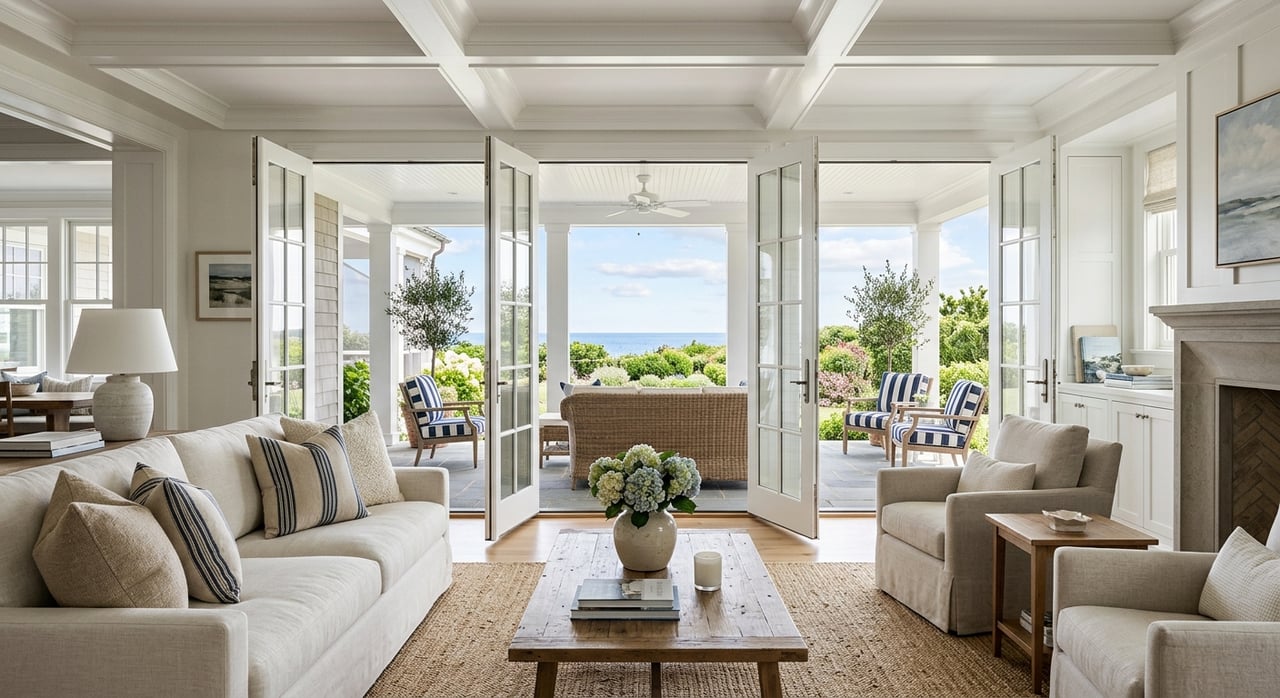
Wondering how to make your Cape Elizabeth home feel instantly appealing to a coastal buyer? In a market where views, light, and lifestyle carry real weight, staging is not about making your house look trendy. It is about helping buyers picture a calm, functional home that fits the rhythm of coastal Maine living. In this guide, you’ll learn how to stage the spaces that matter most, highlight the features buyers notice, and present your home with confidence. Let’s dive in.
Why staging matters in Cape Elizabeth
Cape Elizabeth offers a setting that naturally shapes buyer expectations. With shoreline landmarks like Fort Williams Park, Two Lights State Park, and Crescent Beach State Park, buyers often come here looking for scenery, outdoor access, and a home that feels connected to that environment.
That makes presentation especially important. March 2026 market snapshots show a wide range in pricing and pace, with Redfin reporting a median sale price of $765,000, 33 median days on market, and a 101.3% sale-to-list ratio, while Realtor.com reported a median for-sale price of $1,262,500 and 91 median days on market. In a market with varied property types and price points, polished staging can help your home stand out.
Staging also helps buyers connect emotionally to the space. In the 2025 Profile of Home Staging, 83% of buyers’ agents said staging made it easier for buyers to visualize a property as a future home. That matters in Cape Elizabeth, where buyers are often responding not just to square footage, but to how a home supports a coastal lifestyle.
Focus on what buyers notice first
You do not need to overhaul your home to make it more market-ready. The strongest staging strategy here is usually thoughtful editing, brighter presentation, and a clearer sense of how each room lives.
Buyers’ agents ranked the living room as the most important room to stage, followed by the primary bedroom and kitchen. Sellers’ agents most often staged the living room, primary bedroom, and dining room. If you want to focus your time and budget, start there.
Photos matter too. The same NAR report found that 73% of buyers’ agents viewed photos as important, with physical staging, video, and virtual tours also ranking highly. That means your staging choices need to work both online and in person.
Stage for light and views
In Cape Elizabeth, one of your home’s biggest selling tools may be how it handles natural light. Even if you do not have direct water views, buyers still respond to bright rooms, open sightlines, and a visual connection to the outdoors.
Start by removing anything that blocks windows or makes rooms feel heavy. Dark drapes, oversized furniture, and crowded corners can make a home feel smaller and dimmer than it really is. Lighter window treatments, freshly cleaned glass, and well-placed lamps can change the feel of a room quickly.
Soft neutrals also help. Warm whites, linen tones, and gentle grays tend to reflect daylight and support the calm, coastal tone many buyers expect in this market. The goal is not to make the house feel bland. It is to make it feel breathable, clean, and easy to imagine living in.
Prioritize the living room
Your living room should be the clearest expression of the home. Since buyers’ agents ranked it as the most important staged room, this is where your effort can have the biggest impact.
Reduce the number of furniture pieces so the room feels easy to move through. Keep the path to the best window wall open, and avoid seating that blocks the view or interrupts natural light. If you have a bulky sectional, consider replacing it with a lighter seating arrangement that better fits the scale of the room.
This is also a strong place to use one or two simple visual anchors. A large mirror, one substantial piece of art, or a natural-texture rug can help the room feel finished without adding clutter. In Cape Elizabeth, buyers often notice whether the room feels connected to the landscape, so keep that line of sight in mind.
Create a calm primary bedroom
The primary bedroom should feel restful and move-in ready. Buyers do not need dramatic styling here. They need a sense of comfort, space, and privacy.
Use crisp bedding, minimal accessories, and a simple color palette. Clear off dressers and nightstands so the room reads as spacious in photos. If the bedroom feels tight, make sure there is enough walking room around the bed to improve flow.
Because the primary bedroom ranks just behind the living room in staging importance, it deserves real attention. A calm, uncluttered bedroom helps buyers feel that the home is well cared for and easy to settle into.
Simplify the kitchen and dining areas
Kitchens and dining rooms still carry a lot of weight with buyers. The best approach is usually restraint.
Clear the counters so they show workspace, not storage. Leave out only a few purposeful items, such as a wood board, a bowl of fruit, or one neatly placed coffee setup. If every surface is full, buyers may worry the kitchen lacks function.
Treat the dining area honestly. If the room works best for casual meals, stage it that way. If you have a breakfast nook with good daylight, turn it into an inviting everyday spot rather than a place where extra items collect.
Make sunrooms and flex spaces feel intentional
Cape Elizabeth trend data points to sun rooms, views, offices, and storage as features associated with stronger sale-to-list ratios. That gives you a clear clue about what buyers are noticing.
If you have a sunroom, do not let it feel like an afterthought. Stage it as a reading area, a tea spot, or a quiet workspace with two chairs and a small table. Keep the view line open so the outdoors stays part of the room.
If you have a home office or flex room, make it look purposeful. A desk, lamp, and one or two practical accessories will usually work better than trying to show too many possible uses at once. Buyers respond well when a room feels ready for real life.
Do not overlook the entry and mudroom
In a coastal Maine home, practical spaces matter. Buyers know they may be bringing in sandy shoes, coats, bags, and outdoor gear, so your entry should show that the home handles daily life well.
A bench, a few hooks, baskets, and a tidy closet can go a long way. The point is not to fill the space with decor. It is to show order and everyday function.
Storage also stands out in local trend data. If closets, built-ins, or mudroom cabinets are part of your home’s appeal, make sure they are edited and easy to inspect. Buyers notice whether a home can hold the mess of normal life without feeling crowded.
Strengthen indoor-outdoor flow
Cape Elizabeth buyers are often drawn to homes that feel connected to the outside. Your staging should support that experience from the moment someone enters.
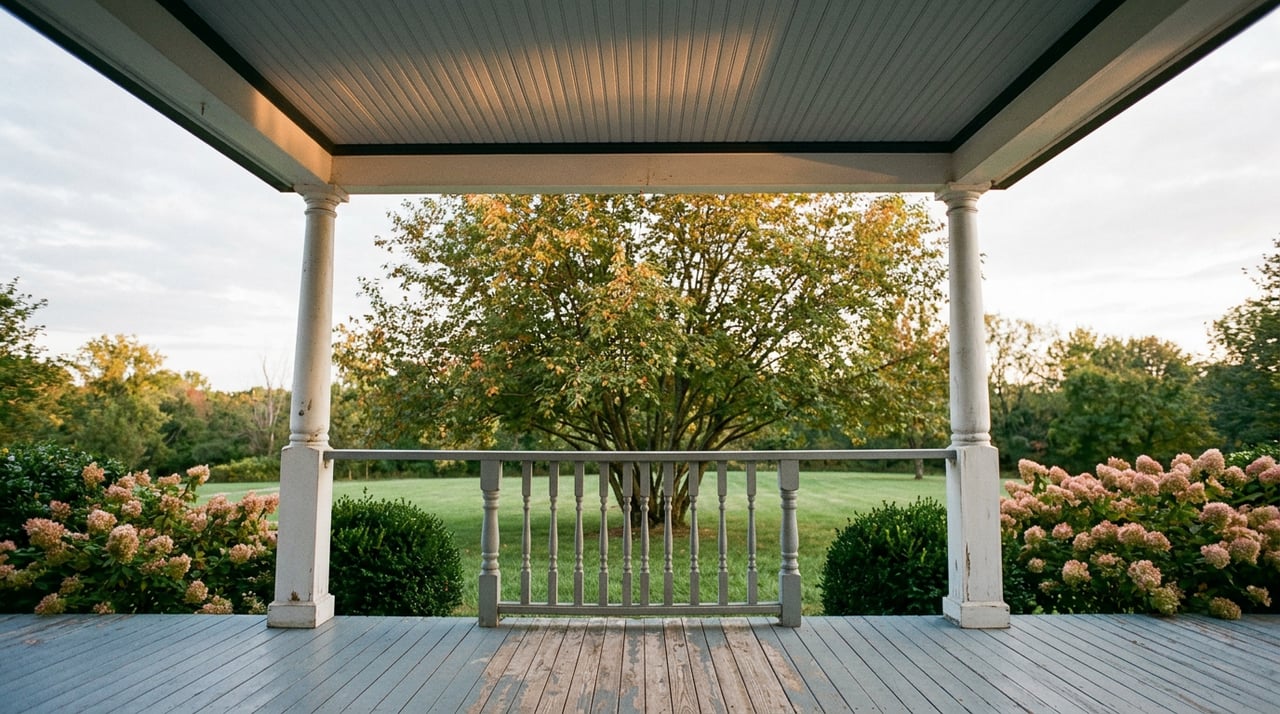
Think about the visual path through the house. Ideally, the eye moves from the entry to the main living area and then toward a porch, deck, patio, or yard. Even a modest outdoor area can feel more valuable when it reads as part of the home’s daily living space.
Freshen exterior spaces with cleaning, simple furniture, and clear walkways. If you are near a shoreland zone, keep in mind that Maine municipalities regulate land use within 250 feet of coastal wetlands and tidal waters. That is one reason staging is often smarter than construction. Clean, repair, and style what you have rather than taking on changes that may require approvals.
Keep updates simple and reversible
You do not need an expensive renovation plan to improve your home’s presentation. In fact, the most effective changes are often the most practical.
Focus on low-cost cosmetic improvements like paint, lighting, window cleaning, and furniture editing. These updates help photos look brighter and make in-person showings feel easier and more open. NAR reported a median of $1,500 spent when using a staging service, which can be a useful benchmark if you are deciding how much support to bring in.
A design-minded strategy is often less about adding and more about removing. When buyers can clearly see the architecture, natural light, and function of each space, your home has a better chance of standing out.
A staging checklist for Cape Elizabeth sellers
Before your home goes live, review these essentials:
- Open up window walls and protect sightlines
- Remove extra furniture from main living spaces
- Use light, neutral textiles and simple decor
- Keep the living room, primary bedroom, and kitchen as top priorities
- Stage dining areas for the way they truly function
- Give sunrooms, offices, and flex spaces a clear purpose
- Organize mudrooms, entries, and visible storage areas
- Clean windows thoroughly and brighten darker corners
- Refresh outdoor living spaces with a tidy, edited look
- Choose reversible updates over major unplanned exterior changes
Final thoughts on staging for a coastal buyer
The best Cape Elizabeth staging does not try too hard. It respects the home, supports the setting, and helps buyers imagine daily life with more ease, more light, and more connection to the outdoors.
If you are preparing to sell, think of staging as a way to tell the right story. A well-presented home can feel calmer in photos, more spacious in person, and more memorable after the showing ends. In a coastal market where lifestyle plays such a strong role, that story matters.
If you want thoughtful, local guidance on how to prepare your home for today’s buyers, Mary Libby offers staging-minded advice and full-service support tailored to Southern Maine.
FAQs
What does staging a Cape Elizabeth home for coastal buyers mean?
- It means presenting your home in a way that highlights light, views, function, and indoor-outdoor living so buyers can picture a coastal Maine lifestyle.
Which rooms matter most when staging a Cape Elizabeth home?
- The top priorities are the living room, primary bedroom, and kitchen, with dining areas also important for many sellers.
How should you stage a Cape Elizabeth living room with a view?
- Use fewer furniture pieces, keep windows clear, avoid blocking sightlines, and choose a layout that lets natural light and outdoor scenery stand out.
Should you renovate before listing a Cape Elizabeth coastal home?
- In many cases, simple cosmetic improvements and thoughtful staging are more effective than major renovation, especially when exterior changes may involve local shoreland considerations.
What features do Cape Elizabeth buyers seem to notice most?
- Local trend data suggests buyers pay attention to sun rooms, views, office space, storage, furnished presentation, contemporary style, and granite counters.
How can you stage a Cape Elizabeth mudroom or entry?
- Keep it organized and practical with a bench, hooks, baskets, and visible storage so buyers can see how the home handles everyday coastal living.