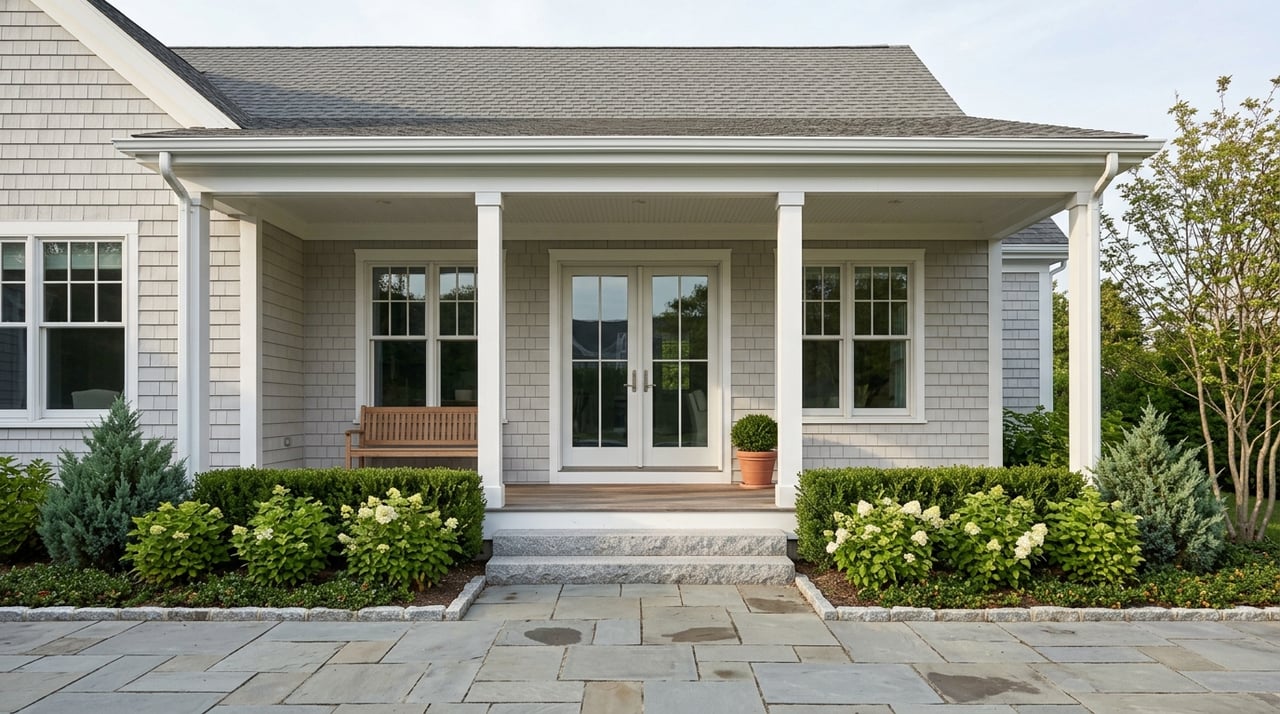
If Camden has been calling you back season after season, buying a second home here can feel like a natural next step. You may be picturing harbor mornings, easier weekend escapes, or a place to gather with family while building a long-term foothold on the Maine coast. The opportunity is real, but so are the details, from taxes and financing to winter upkeep and rental rules. Here’s what to think through before you buy in Camden.
Why Camden appeals to second-home buyers
Camden has a long history as a seasonal destination, and that matters when you are evaluating it as a second-home market. Camden’s comprehensive plan identified 516 seasonal-use housing units out of 3,225 total housing units in 2014, while also noting the town’s active visitor economy and lodging base, including more than 30 lodging facilities with about 444 rooms. According to the Town of Camden comprehensive plan, summer activity, winter events, and conferences all help drive tourism.
That seasonal rhythm can be part of Camden’s appeal. It also means you should think carefully about how often you plan to use the home, what the town feels like in the off-season, and whether you want a property designed for year-round living or one intended primarily for part-year use.
Choose the right Camden setting
In Camden, location shapes your day-to-day experience in a meaningful way. The town’s historic core developed around the harbor, and areas within town can offer very different settings, from village and harbor access to quieter residential or more rural-feeling surroundings. The Maine Historic Preservation Commission’s Camden overview notes how early settlement centered on the natural harbor at the outlet of the Megunticook River.
For you as a buyer, that means the right property is not just about square footage or views. It is also about how you want to live when you are there. If walkability to the harbor or village matters most, you may focus on one type of location. If privacy, land, or a more tucked-away feel matters more, your search may look very different.
Budget for true ownership costs
A second home budget should go beyond the purchase price. Camden’s 2025-2026 tax bills list a mil rate of $11.50, which should be part of your annual ownership model. Property taxes can affect your long-term carrying costs more than many buyers first expect.
It is also important to know that Maine’s homestead exemption is limited to a permanent Maine residence and primary residence. As a result, vacation homes, camps, and second residences do not qualify. If you are comparing the cost of a primary home with a second home, make sure you are using the correct tax assumptions from the start.
Understand second-home financing rules
If you plan to finance the purchase, your intended use of the property matters. According to Fannie Mae guidance cited in Maine tax and lodging resources, a second home must be occupied by the borrower for part of the year, suitable for year-round occupancy, a one-unit dwelling, and not a rental property or timeshare. Rental income also cannot be used to qualify if the loan is being underwritten as a second home.
This is a key point for Camden buyers. If you are thinking, “We’ll use it ourselves and rent it often,” your lender may evaluate that property differently depending on the facts. The cleanest path is to discuss your expected use early, before you narrow in on a specific home or financing structure.
Think carefully about rental plans
Some second-home buyers want occasional rental income to offset costs. If that is part of your plan, Camden’s local rules deserve close attention. The town requires all short-term rentals to be licensed annually before rental, with licenses expiring on December 31 and renewals due by January 1. New owners must also file a new application within 30 days of a transfer, according to Camden’s short-term rental regulations.
For some properties, there are added operational requirements. Seasonal or commercial short-term rentals must have a 24-hour operator who can respond to on-site emergencies within 30 to 45 minutes. The town also requires an informational packet for guests, and if the property is in a condominium or homeowners association, owners must show that governing documents allow short-term rentals.
There is also a tax component. Maine’s lodging tax rate is 9%, and Camden’s code states that the licensee must pay any applicable lodging tax to the state. If rental income is part of your strategy, it helps to evaluate not just demand, but compliance, management logistics, and carrying costs.
Match the property to zoning and use
Not every address in Camden offers the same ownership or rental profile. Camden’s zoning code includes districts such as Coastal Residential, Village Extension, Traditional Village, Downtown Business, Harbor Business, and River Business, among others. The town’s zoning materials indicate that residential, seasonal, and commercial short-term rentals are permitted in some districts and allowed by special exception in others.
That means zoning should be part of your home search, not an afterthought. A home near the harbor or downtown core may offer one set of possibilities, while a property on the village edge or in a more rural district may offer another. If rental flexibility is important to you, confirm the district and permitted use before you move too far down the road.
Prepare for winter and off-season care
A Camden second home needs a maintenance plan that fits Maine’s climate. The Maine Emergency Management Agency says the entire state is vulnerable to severe winter storms every year. Its guidance notes that snowfall season usually runs from late October or November into April, sometimes May, and that coastal areas typically receive 50 to 80 inches of seasonal snowfall. You can review those conditions in MEMA’s severe winter storm guidance.
For you, this translates into real ownership questions. How will the home be checked when you are away? Is it insulated and winter-proofed for extended vacant periods? Have you planned for roof snow loads, freeze-thaw wear, gutters, ice issues, and the possibility of power outages during blizzards or ice storms?
These are not reasons to avoid buying. They are reasons to buy the right property and set it up well. A home intended for four-season use can offer a very different ownership experience from one built mainly for seasonal occupancy.
Review flood exposure by address
In a coastal town like Camden, flood exposure deserves its own review. MEMA states that Maine’s coastline is vulnerable to flooding from storm surge, high astronomical tides, and waves. It also notes that the Maine Climate Council recommends planning for 1.5 feet of sea-level rise by 2050 and 4 feet by 2100, as outlined in the state’s flooding guidance.
If a property is near the harbor, river, lake, or another low-lying area, check the specific address on FEMA flood maps rather than relying on assumptions. Scenic water proximity can be a major draw, but it should always be paired with a clear understanding of flood risk, insurance implications, and future resilience.
Check water, septic, and seasonal systems
Infrastructure matters even more when a home may sit vacant for part of the year. If the property is not connected to public sewer, Camden’s short-term rental code requires proof that the septic or other non-sewer system is operational and properly sized for the proposed occupancy. If the home is not connected to public water, the town also requires proof of potable water for short-term rental licensing.
Camden’s code also defines a seasonal short-term rental as a unit with seasonal water service that is occupied only seasonally, often without insulation or whole-house HVAC. That is a helpful reminder for buyers in general, even if renting is not your plan. Some homes are simply built for a different pattern of use, and that should match your expectations for comfort, maintenance, and year-round access.
A smart second-home plan starts early
Buying a second home in Camden can be incredibly rewarding when the property fits the way you want to live. The key is to look beyond the view and understand how taxes, financing, zoning, winter conditions, flood exposure, and infrastructure will affect your ownership experience. When you line up those details early, you can buy with more confidence and fewer surprises.
If you are considering a second home in coastal Maine and want thoughtful guidance through the search, financing considerations, and property fit, Mary Libby offers experienced, owner-led support with a warm, practical approach.
FAQs
What should you know about Camden property taxes for a second home?
- Camden’s 2025-2026 tax bills list a mil rate of $11.50, and Maine’s homestead exemption does not apply to second homes, vacation homes, or camps.
What financing rules apply when buying a second home in Camden?
- Fannie Mae says a second home must be occupied by the borrower for part of the year, be suitable for year-round occupancy, be a one-unit dwelling, and not be rental property or a timeshare.
Can you use rental income to qualify for a Camden second-home mortgage?
- No, rental income cannot be used to qualify if the loan is being underwritten as a second home under Fannie Mae guidance.
What are Camden short-term rental rules for second-home owners?
- Camden requires annual short-term rental licensing, new owner applications within 30 days of transfer, and in some cases a 24-hour operator who can respond to emergencies within 30 to 45 minutes.
Why does zoning matter when buying a second home in Camden?
- Camden allows different short-term rental uses in different zoning districts, so a property’s location can affect whether and how you can use it.
What weather risks should you consider for a Camden second home?
- Maine coastal properties can face heavy seasonal snowfall, winter storms, damaging winds, power outages, and freeze-thaw wear, so winterization and monitoring are important.
Should you check flood risk before buying a Camden second home?
- Yes, especially for homes near the harbor, river, lake, or low-lying coastal areas, because Maine’s coastline is vulnerable to flooding from storm surge, tides, and waves.