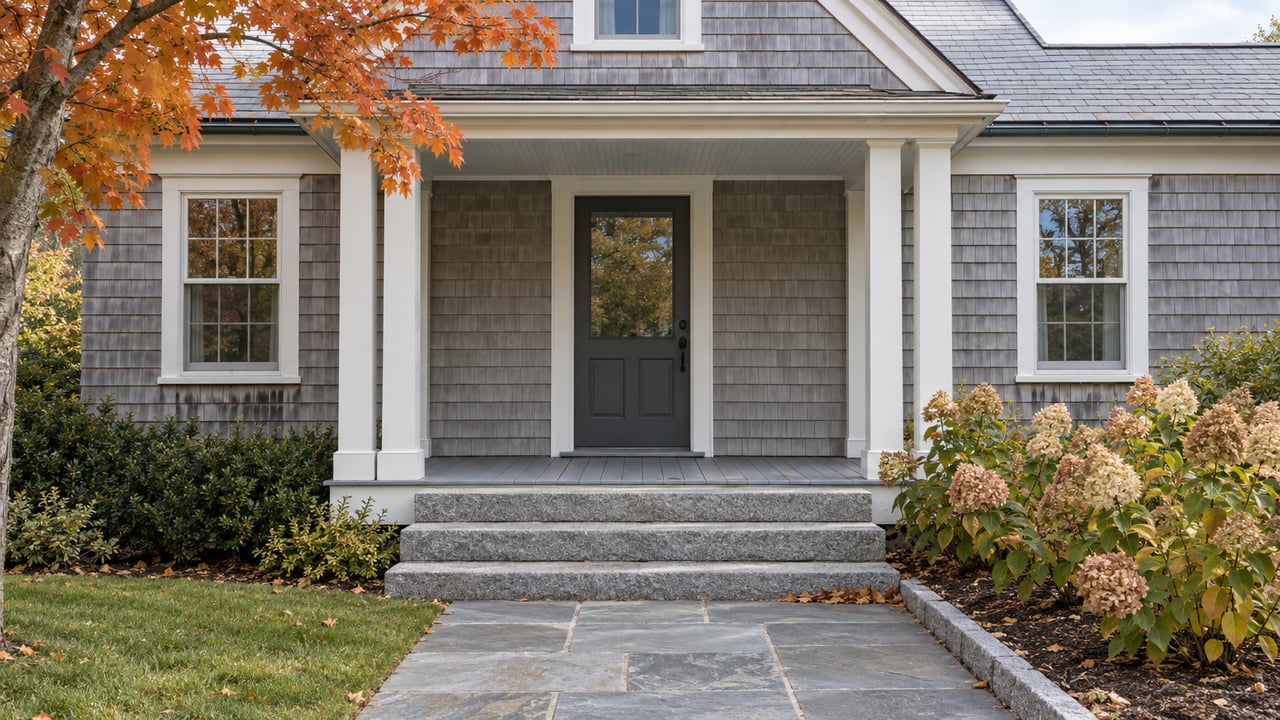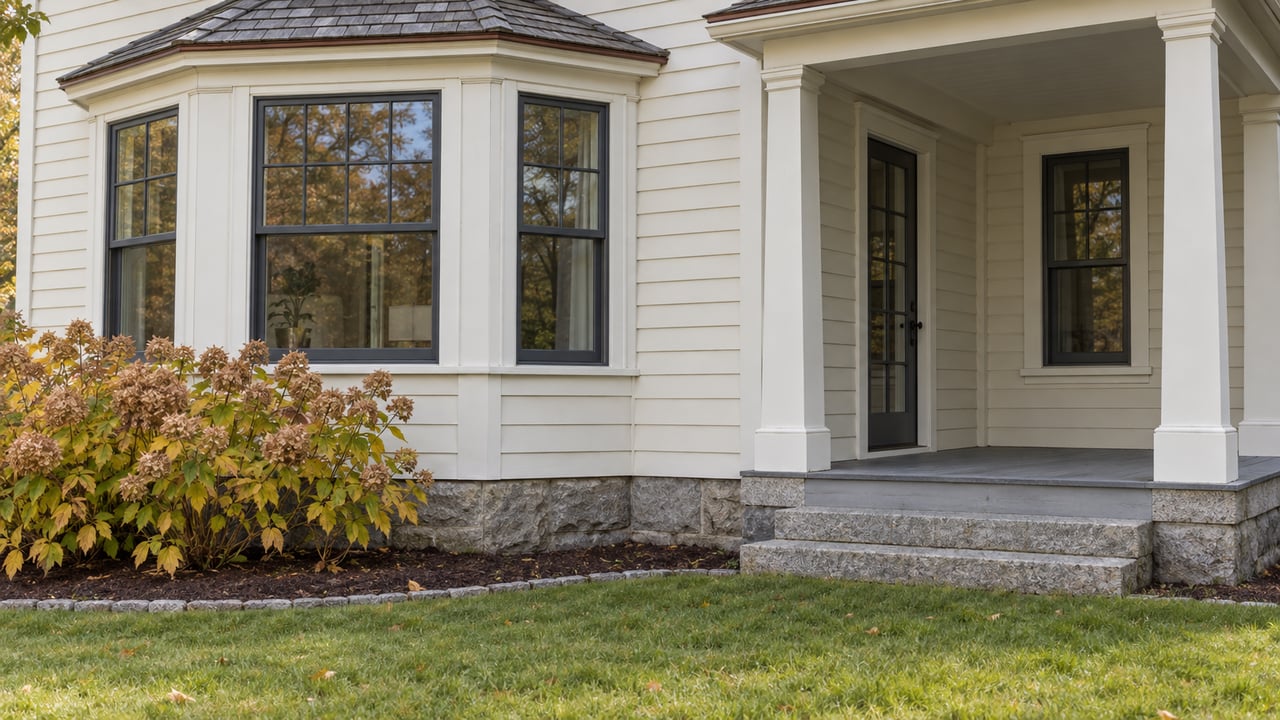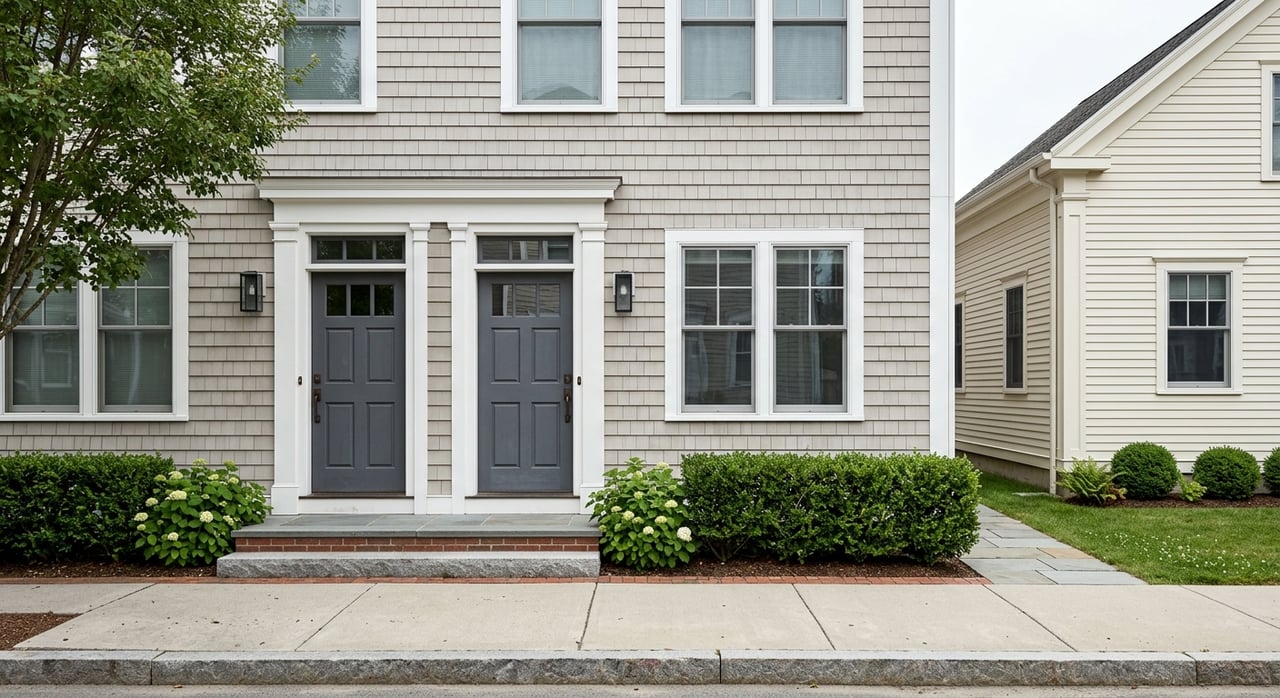
Trying to choose between a condo and a house in Portland? You are not alone, and the answer is often less about price than about how you want to live day to day. If you are weighing walkability, upkeep, privacy, monthly costs, and future flexibility, this guide will help you sort through the tradeoffs with Portland, Maine in mind. Let’s dive in.
Portland prices are closer than you may think
In Portland, the price difference between a condo and a single-family home is narrower than many buyers expect. Redfin reports a median sale price of $593,500 for a single-family home and $575,000 for a condo or co-op.
That small gap matters because it shifts the decision away from sticker price alone. In many Portland searches, your lifestyle goals, maintenance preferences, and comfort with shared ownership can be just as important as the number on the listing.
Portland also remains a competitive market. Redfin reports homes selling in about 38 days, with roughly 3 offers on average, so having a clear decision framework before you tour can help you move with more confidence.
Portland lifestyle often drives the choice
A condo and a house can support very different routines, even when their prices look similar on paper. In Portland, that often comes down to where you want to spend your time and how much home upkeep you want to manage yourself.
Walkability is one of the clearest examples. Walk Score rates Portland at 62 overall, but neighborhood scores vary widely, including 93 in Downtown Portland, 95 in West Bayside, 81 in the East End, and 70 in Deering Center.
If you want a more car-light routine, a condo in or near highly walkable parts of the city may fit naturally. If you are drawn to more private outdoor space and a more traditional residential setup, a house may feel like the better match.
What condo ownership means in Maine
A condo is not just a different type of floor plan. In Maine, it also comes with a different ownership structure and a shared system for maintenance, budgeting, and decision-making.
Under Maine’s Condominium Act, the association is responsible for maintenance, repair, and replacement of the common elements. You, as the unit owner, are responsible for the unit itself.
That split can make condo ownership appealing if you want less exterior upkeep. At the same time, it also means part of your ownership experience depends on how the association plans, budgets, and manages the property.
Condo dues pay for real shared obligations
Condo dues are not simply an extra monthly line item. Maine law gives associations the authority to adopt budgets for revenues, expenditures, and reserves and to collect assessments for common expenses.
Associations must also maintain property insurance on common elements and liability insurance. In practical terms, your dues are helping fund real shared responsibilities across the property.
This is why it is important to compare total monthly cost, not just mortgage payment. A condo fee may cover obligations that you would otherwise handle directly if you owned a house.
Special assessments are worth asking about
Maine law requires assessments for common expenses to be made at least annually. It also allows special assessments, including emergency special assessments of up to 2 months’ common charges without unit-owner ratification.
For you as a buyer, that means the monthly fee is only part of the story. You also want to understand whether the building has healthy reserves, a realistic repair plan, and a budget that supports upcoming maintenance needs.
Condo purchases require more document review
Buying a condo in Maine usually involves more paperwork than buying a house. By law, associations must keep records such as meeting minutes, governing documents, bylaws, current rules, financial statements and tax returns for the past 3 years, and current contracts.
Unit owners or their agents may inspect records with 10 days’ written notice. That makes a condo purchase partly a review of the building’s finances and governance, not just the unit’s layout and condition.
What a house gives you instead
A single-family house often appeals to buyers who want more control over the property. If you care about private outdoor space, exterior projects, or making changes without shared approval structures, a house may feel more straightforward.
Because condo common elements are association-managed, a house generally gives you more autonomy over the lot and exterior. That can be a major plus if you want flexibility, but it also means more direct responsibility for maintenance, repairs, and planning.
In simple terms, a house often means more freedom and more to manage. A condo often means less exterior work and more shared structure.
How to compare condo vs house costs
When you are deciding between property types, focus on carrying cost instead of purchase price alone. The better comparison is your likely monthly and annual ownership picture.
Look at:
- Mortgage payment
- Insurance
- Utilities
- Expected maintenance
- HOA or condo dues
- Potential future repair costs
For a condo, dues may replace some costs you would budget separately with a house. For a house, you may have fewer shared fees, but more direct responsibility for exterior upkeep, systems, and larger repair items over time.
When a condo may fit better in Portland
A condo may be the better choice if your priorities center on convenience and in-town living. This can be especially appealing in Portland areas with stronger walkability, where it is easier to enjoy shops, dining, and daily errands without relying as heavily on a car.
You may lean toward a condo if you want:
- Lower exterior maintenance
- A lock-and-leave lifestyle
- In-town or peninsula access
- Shared management of common areas
- A home that aligns with a simpler day-to-day routine
For downsizers, second-home buyers, or busy professionals, this setup can feel practical and efficient. It can also be a strong fit if you value time and location more than extra outdoor space.
When a house may fit better in Portland
A house may be the stronger fit if space, privacy, and control matter most to you. That is often true for buyers who want a yard, room to spread out, or the ability to make exterior decisions on their own timeline.
You may lean toward a house if you want:
- More private outdoor space
- Greater control over exterior changes
- Fewer shared decision points
- More separation from neighbors
- Flexibility to shape the property over time
For some buyers, that autonomy is worth the added upkeep. If you enjoy the idea of managing your own property and want more room to grow into it, a house may feel like the better long-term match.
Think about future rental plans early
If you may rent out the property in the future, do your homework before you buy. Portland requires rental units to be registered annually and within 30 days of purchase if the property is used as a rental.
If you are considering a condo, it is especially important to review the governing documents early. Since Maine law gives associations formal rules, budgets, and records, those materials can affect how the building is used and managed.
Check flood information for houses and some condos
Before touring houses, it is smart to check flood-zone status, especially for waterfront or low-lying properties. Portland publishes flood information and FEMA flood maps, which can help you better understand location-related considerations.
This step can shape both your comfort level and your ownership costs. It is a practical part of due diligence, particularly in parts of the city where water proximity is part of the appeal.
A simple decision framework before you tour
If you are still unsure, use this quick framework to narrow your path before you start visiting homes. The goal is to match your purchase to your real routine, not just the listing photos.
Ask yourself:
- Do you want a more walkable, lower-upkeep lifestyle?
- Do you want private outdoor space and more control?
- Are you comfortable with shared budgets, rules, and assessments?
- Would you rather pay dues or manage more maintenance yourself?
- Might you rent the property later?
- How important is location versus square footage?
In Portland, the best answer is often the one that supports your daily life most naturally. When prices are relatively close, the better fit is usually the home that feels easier to live in, not just easier to justify on paper.
If you want help comparing options in Portland, from in-town condos to single-family homes with more privacy and flexibility, Mary Libby offers thoughtful, local guidance shaped around how you want to live.
FAQs
How do condo prices compare to house prices in Portland, Maine?
- Redfin reports a median sale price of $593,500 for single-family homes and $575,000 for condos or co-ops in Portland, so the gap is relatively small.
What do condo fees usually cover in Maine?
- Under Maine law, condo associations handle common elements and maintain insurance on common elements and liability coverage, and dues help fund shared expenses, budgets, and reserves.
What records should you review before buying a condo in Portland?
- You should ask to review items such as the budget, reserve information, board minutes, governing documents, bylaws, rules, financial statements, tax returns for the past 3 years, and current contracts.
Is a condo or a house better for walkability in Portland?
- A condo often fits buyers who want a more walkable, lower-upkeep lifestyle, especially in areas like Downtown Portland, West Bayside, the East End, and Deering Center, where Walk Score reports higher walkability.
What should you check before buying a house in Portland, Maine?
- In addition to the home itself, you should review likely exterior maintenance needs and check flood-zone information, especially for waterfront or low-lying locations.
What should Portland buyers know about future rental plans?
- Portland requires rental units to be registered annually and within 30 days of purchase if the property will be used as a rental, and condo buyers should also review building rules early.