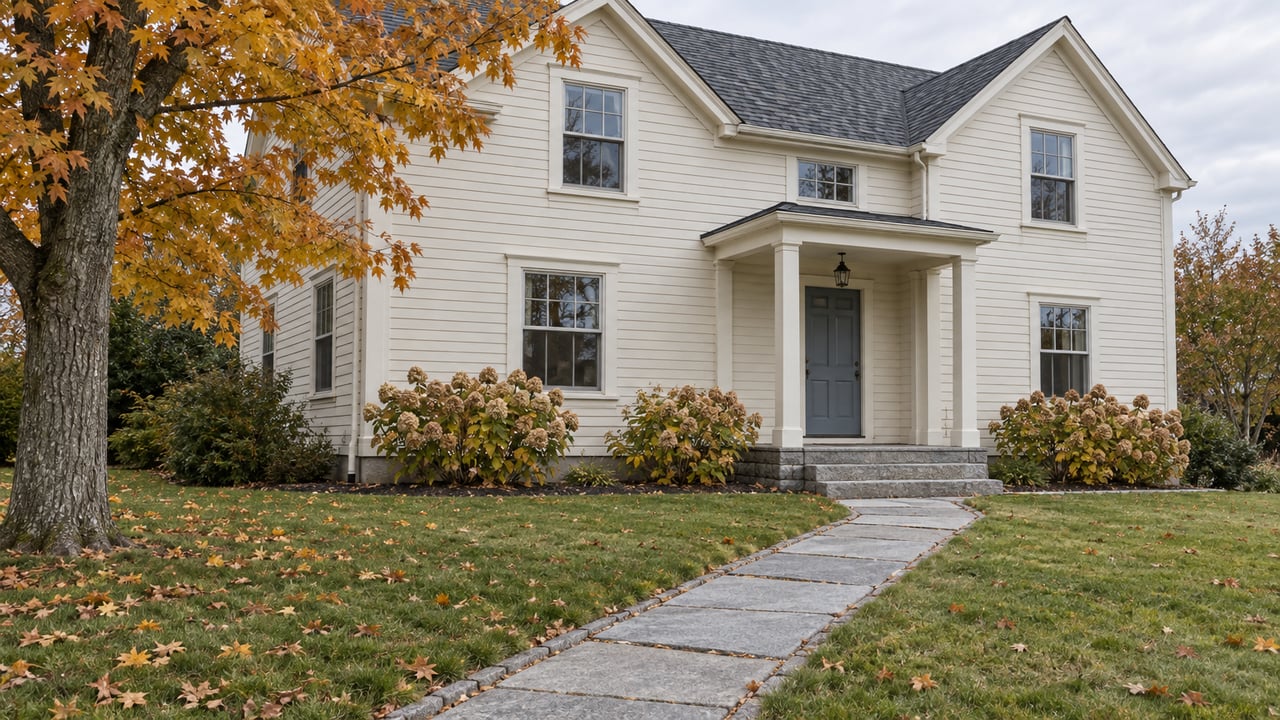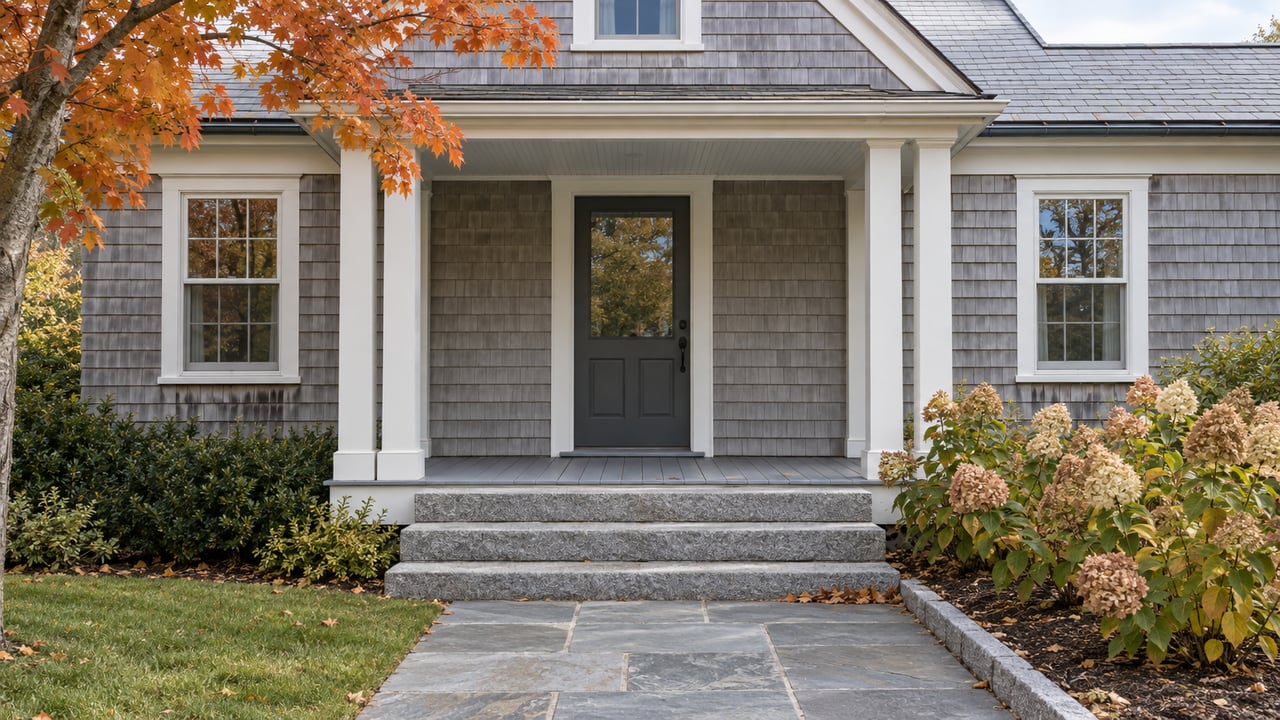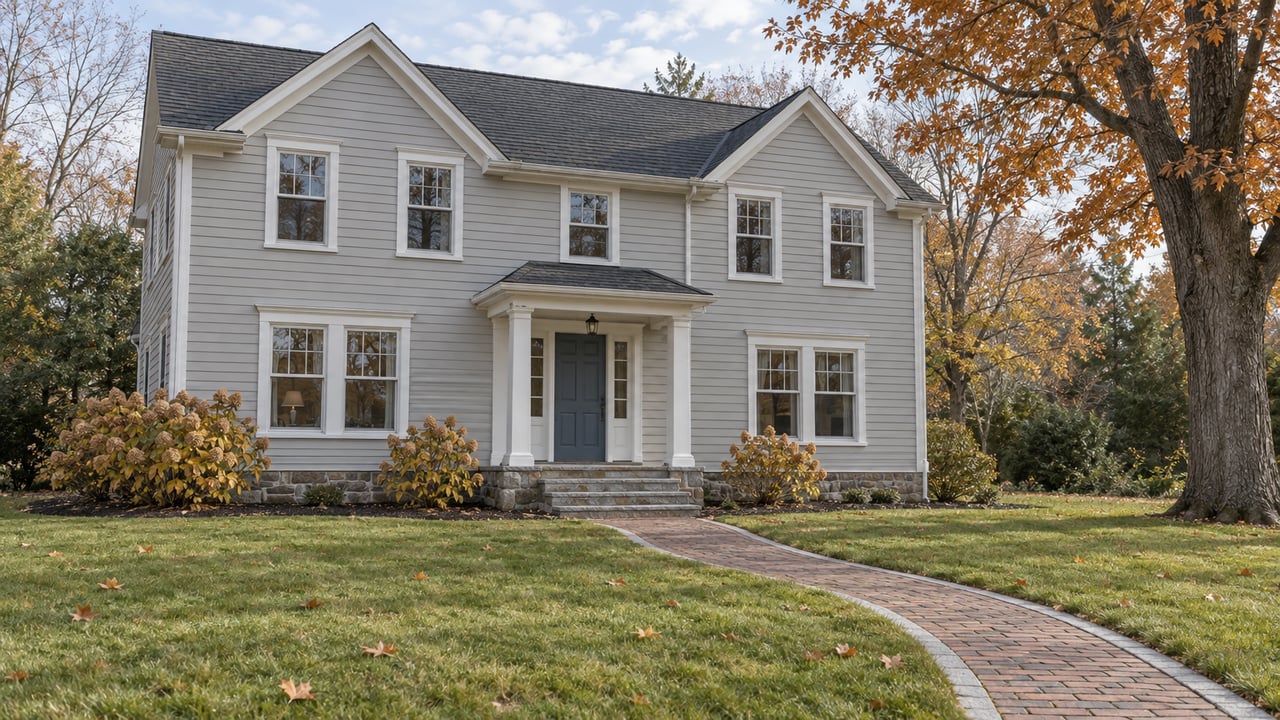
After Cumberland's revaluation, owners of Cape Cod homes kept coming into the Assessor's office with the same complaint. Next to the Colonials on their street, they said, their houses were over-assessed. At the August 10, 2026 Town Council meeting, Assessor Clinton Swett said his first reaction was that they probably were. Then more and more people raised it. He and his consultant ran another sales analysis comparing Cape Cods with Colonials and found the town had in fact overstated Cape values. They lowered the price per square foot for Cape Cod homes throughout town, and about $30 million came off Cumberland's total valuation. The Council then set the new rate in a 7–0 vote.
The Cape Cod correction shows how the whole revaluation worked. Cumberland did not just double everyone's number. It re-sorted who carries the property tax, one property type at a time. For anyone buying in Cumberland this winter, that re-sorting matters more than the headline that values doubled.
A tax figure from before FY2027 belongs to a different system
The first thing a buyer runs into is the tax number. The prior-year bills the town used for comparison were calculated at $25.18 per $1,000, on assessments from a system the Assessor could trace back to a 2008 revaluation. The FY2027 rate is $14.12 per $1,000, applied to values that were rebuilt from scratch. A prior-year figure can't be scaled up or down to get today's bill, because both the rate and the assessment underneath it changed.
How far the old values had drifted comes from Maine's certified assessment ratio, which compares a town's assessed values with what properties actually sell for. Swett told the Council that Cumberland's ratio was 57% last year, meaning homes were selling for almost twice their assessed values. Below 70%, he said, a town is pretty much required to revalue, and the state enforces that by cutting reimbursements for programs like the homestead and veterans' exemptions. Maine Revenue Services explains how the state uses sales-ratio studies to set valuations.
The town's total taxable valuation now stands at $3,001,056,700, In the August 10 discussion, Councilor Vail described it as a jump from approximately $1.4 billion before the revaluation to approximately $3 billion after. Here is what that looked like for the typical property, using the Assessor's estimated bills as he reported them at the August 10 meeting:
| Median property | Assessed before | Assessed after | Estimated bill at $25.18 | Estimated bill at $14.12 | Change |
|---|---|---|---|---|---|
| Single-family and other non-condo homes | $362,000 | $706,500 | $9,125 | about $9,976 | +$851 |
| Condominium | $315,700 | $600,000 | $7,949 | about $8,472 | +$523 |
Assessed values nearly doubled while the median bills rose by a few hundred dollars. Swett said the increase came from growth in the town's budget, the kind that happens every year.
The revaluation alone lowered more bills than it raised
A revaluation doesn't decide how much money the town collects. The budget does that, and the mil rate is what spreads the budget across everyone's assessment. If every property's value had doubled exactly, the rate would have halved and every bill would have stayed the same. A bill moves only when a property's value changes faster or slower than the town's as a whole, or when the budget grows.
The town published an impact sheet covering 3,923 properties that separates those two forces. Looking at the effect of the revaluation by itself:
- 41.6% of properties saw lower taxes
- 0.4% saw no change
- 32.4% saw increases of 0.1% to 5%
- 13.7% saw increases of 5.1% to 10%
- 11.9% saw increases over 10.1%, a group that includes new homes and new lots
Then add the FY2027 spending increases, which the sheet lists as 2.55% for the Town, 7.75% for the School and 7.6% for the County. The share of properties paying less drops to 20%. Another 1% saw no change, 12% rose 1% to 5%, 35% rose 6% to 10%, and 32% rose more than 11%. The median property tax increase came to 8%.
Councilor Follett made the same point from the dais. The combined MSAD 51 and municipal budgets grew about 5% year over year, and he called that the real driver of the tax increase. The mil rate sets the tax rate, he said, and the budget sets what the town spends.
Where the burden moved
Since the revaluation redistributed more than it raised, the useful question is which kinds of property gained or lost ground. Councilor Magoun read the data this way: the median residential tax bill rose about 9%, condos about 6%, and vacant land fell by almost 16%. The May 11 Council presentation explained why, framing the project as equity among property classes. It noted that Maine's Constitution requires assessments to follow market value, so condominiums, single-family homes, vacant lots and commercial property all have to carry a uniform share. That same presentation showed residential homes with the largest value increase of the three classes reported, ahead of condominiums and vacant lots.
In practice, single-family homes had fallen furthest below market under the 2008-era values, so they absorbed more of the bill once everything was reset. Within that group, house style mattered too, as the Cape Cod correction shows. Two homes of similar size on the same road can end up with noticeably different assessments depending on how the town's model prices their style, and the model changed in 2026 because owners questioned it.
The revaluation also corrected the town's records. Swett said he met with more than 125 residents after values went out. Those meetings led to numerous corrections to property data and building sketches, and the town added a significant number of homestead and veterans' exemptions for residents who hadn't known the programs existed. He also said the revaluation showed that some of Cumberland's property data was less accurate than previously thought.
The new values already trail the market
This is the part that affects future bills. The new assessments are meant to reflect market value, and the market has already moved past them. Reviewing sales from April through the end of July 2026, Swett told the Council that properties were still selling for approximately 18% more than their current assessed values. He said he wished he could report the market cooling or leveling off, but it didn't appear to be.
His answer is to stop letting the gap build for decades. He recommended that the Assessing Department review land and building values every two years and adjust them to keep pace with the market. That would replace waiting until a dramatic correction "can double or more than double someone's assessment." Those reviews would include ratio studies by property type, such as ranches, Capes and Colonials. He also floated the idea of physically reviewing one quarter of the town each year. Several councilors spoke in favor, including Councilor Filson, who said she liked the idea of updating the data every two years. For now it is the Assessor's recommendation.
Recent prices show what those reviews would be measuring. In September 2026, Cumberland's single-family median sale price was $1,207,500, according to the Greater Portland Board of REALTORS® September 2026 report. That figure rests on just four sales, compared with ten in September 2025, so it is thin evidence on its own. The Cumberland County median for the same month was $599,950 across 306 sales, up 3.44% from a year earlier.
A buyer who closes this winter inherits the FY2027 assessment, not their purchase price, and that assessment was set from data that sale prices have already outrun. If the two-year reviews go ahead, assessments will move toward sale prices in smaller steps. Each step will raise or lower a given bill depending, as in 2026, on how that property's value moves compared with everyone else's and on what the Town, School and County budgets do that year.
The dates still ahead this winter
The first FY2027 installment came due September 15, 2026. The second is due March 15, 2027, and the town's FY2027 bill shows 4% interest starting the day after each due date. According to the August 10, 2026 Town Council minutes, Swett told the Council that taxpayers have 185 days after the tax commitment to file an appeal, which he said would generally run into February or March of 2027. The first step, he said, is always to come in and talk with him. Supporting a claim of over-assessment may take an independent appraisal. During public comment, one resident put the cost of an appraisal at $500 to $900. Councilor Follett suggested the town could consider a first level of review that doesn't require one.
This is general information drawn from public town records. It is not tax, legal or financial advice, so confirm your own assessment, deadlines and options with the Cumberland Assessor's office or a qualified professional.
FAQ
Did Cumberland's property taxes double in 2026? No. Assessed values roughly doubled and the mil rate fell from $25.18 to $14.12. The median home's estimated bill rose $851. Across all properties, the median increase was 8%.
When was Cumberland last revalued? The last date the Assessor could find in the records was 2008.
Will assessments change again soon? The Assessor has recommended reviewing values every two years. Sales from April through July 2026 were running about 18% above the new assessments.
If you're weighing a home in Cumberland and want to understand what its tax bill looks like under the new values, or you own there and are wondering how your assessment affects a sale, Mary Libby Living Real Estate can walk you through the numbers on the specific property. Schedule a free consultation.